
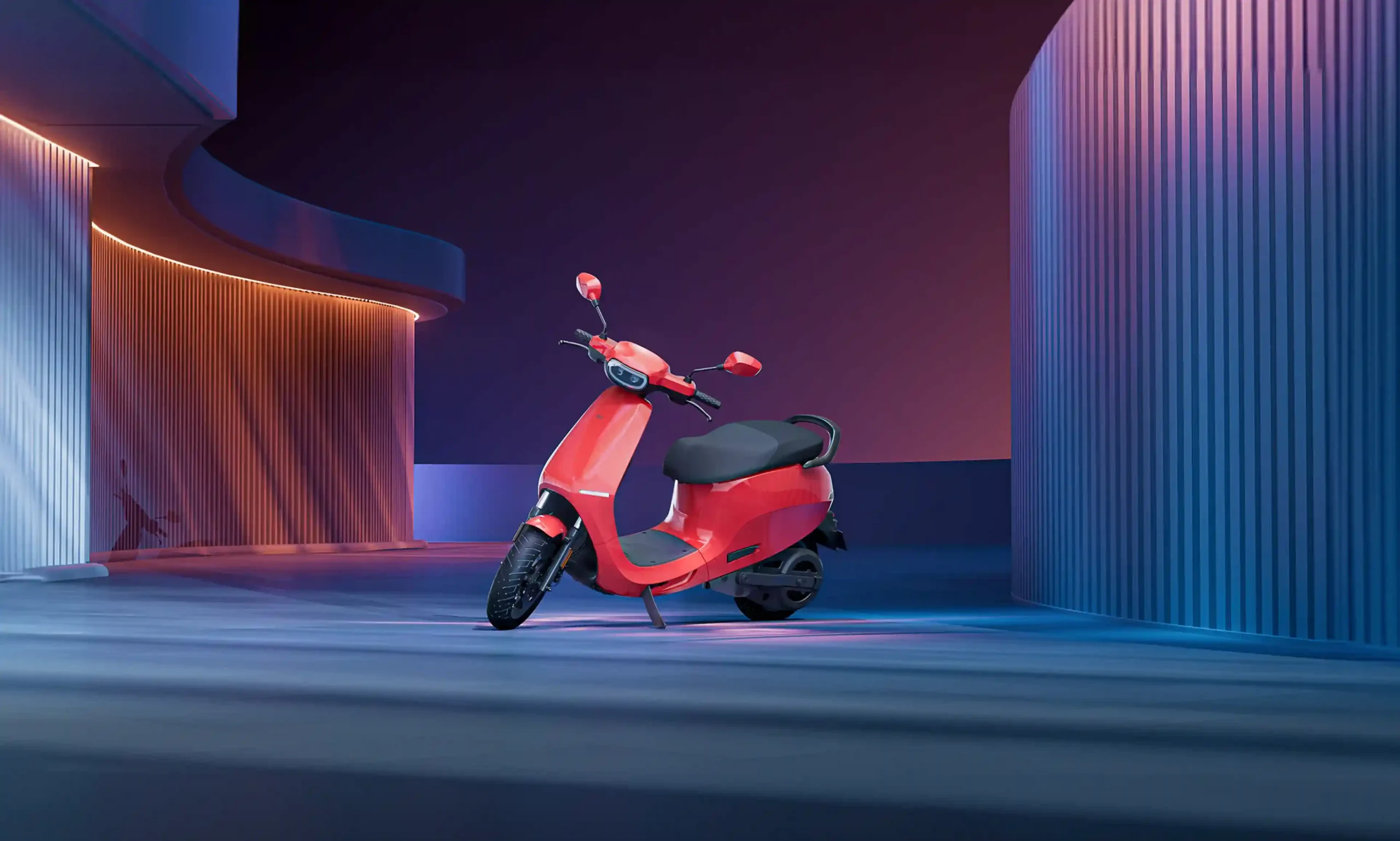
Ola’s HyperDelivery platform is not a new announcement. It is already being used in Ola’s electric delivery vehicles with existing lithium-ion battery technology. What has now drawn attention is Ola’s future plan to upgrade HyperDelivery vehicles using 4680 Bharat Cell technology, aimed at improving efficiency, durability, and long-term operating costs.
This development is less about launching a new platform and more about strengthening an existing one for India’s fast-growing delivery ecosystem.
What Is Ola HyperDelivery?
HyperDelivery is Ola’s delivery-focused electric vehicle platform, designed specifically for commercial and last-mile logistics use. Unlike passenger EVs, these vehicles are engineered to handle:
- Long daily operating hours
- Frequent stop-and-go riding
- Payload carrying
- High utilisation with minimal downtime
HyperDelivery vehicles are already in operation with conventional battery packs, proving the platform’s real-world viability.
What Are 4680 Bharat Cells?
4680 cells are a newer cylindrical battery format known for higher efficiency and simplified pack design. The term “Bharat Cell” refers to Ola’s vision of locally designed and manufactured battery cells, tailored for Indian climate conditions and usage patterns.
While Ola has discussed this technology roadmap publicly, detailed specifications for HyperDelivery vehicles using 4680 Bharat Cells have not yet been officially announced.
Why Upgrade HyperDelivery With 4680 Cells?
The move toward 4680 Bharat Cells is intended to improve areas that matter most for commercial EV users.
Key Advantages of 4680 Cells
- Higher energy density
- Fewer cells required per battery pack
- Better thermal stability during repeated charging
- Lower cost per kWh at scale
- Improved durability for heavy daily use
For delivery fleets, these benefits can translate into better uptime and lower long-term costs, rather than headline performance numbers.
What Changes for Delivery Businesses?
With a future transition to 4680 Bharat Cells, HyperDelivery vehicles could offer:
- Longer usable daily range
- Reduced battery degradation under intensive usage
- Faster and more consistent charging behaviour
- Lower cost per kilometre over the vehicle’s lifetime
These improvements are particularly important for logistics companies operating on tight margins.
Software and Fleet Management Remain Central
The battery upgrade does not replace Ola’s existing fleet ecosystem. HyperDelivery continues to rely on connected software that enables:
- Real-time vehicle tracking
- Battery health monitoring
- Predictive maintenance alerts
- Usage and efficiency analytics
This software-first approach helps fleet operators manage vehicles more efficiently, regardless of battery type.
What This Means for India’s EV Ecosystem
Ola’s approach highlights a broader shift in India’s EV strategy:
- Focus on commercial electrification, where adoption can scale faster
- Strengthening existing platforms instead of rushing untested launches
- Moving toward localised battery manufacturing
- Reducing dependency on imported battery technology
For last-mile delivery, this could accelerate EV adoption without disrupting existing operations.
What Is Not Yet Officially Confirmed
To remain clear and transparent:
- Ola has not announced launch timelines for 4680-powered HyperDelivery vehicles
- No certified range, charging speed, or pricing details have been released
- Existing HyperDelivery vehicles continue to use current battery technology
Any future rollout will depend on production readiness, regulatory approvals, and fleet requirements.
Conclusion
Ola HyperDelivery is already a working platform in India’s delivery EV space. The introduction of 4680 Bharat Cells represents a planned technology upgrade, aimed at improving efficiency, durability, and cost economics for commercial users.
Rather than reinventing the platform, Ola appears to be building on proven foundations — a practical approach that suits the needs of delivery businesses far better than experimental launches.